Vision-Language-Action models are putting AI brains into robots. We build the synthetic data and supervisory software layers that catch AI mistakes before they become physical accidents.
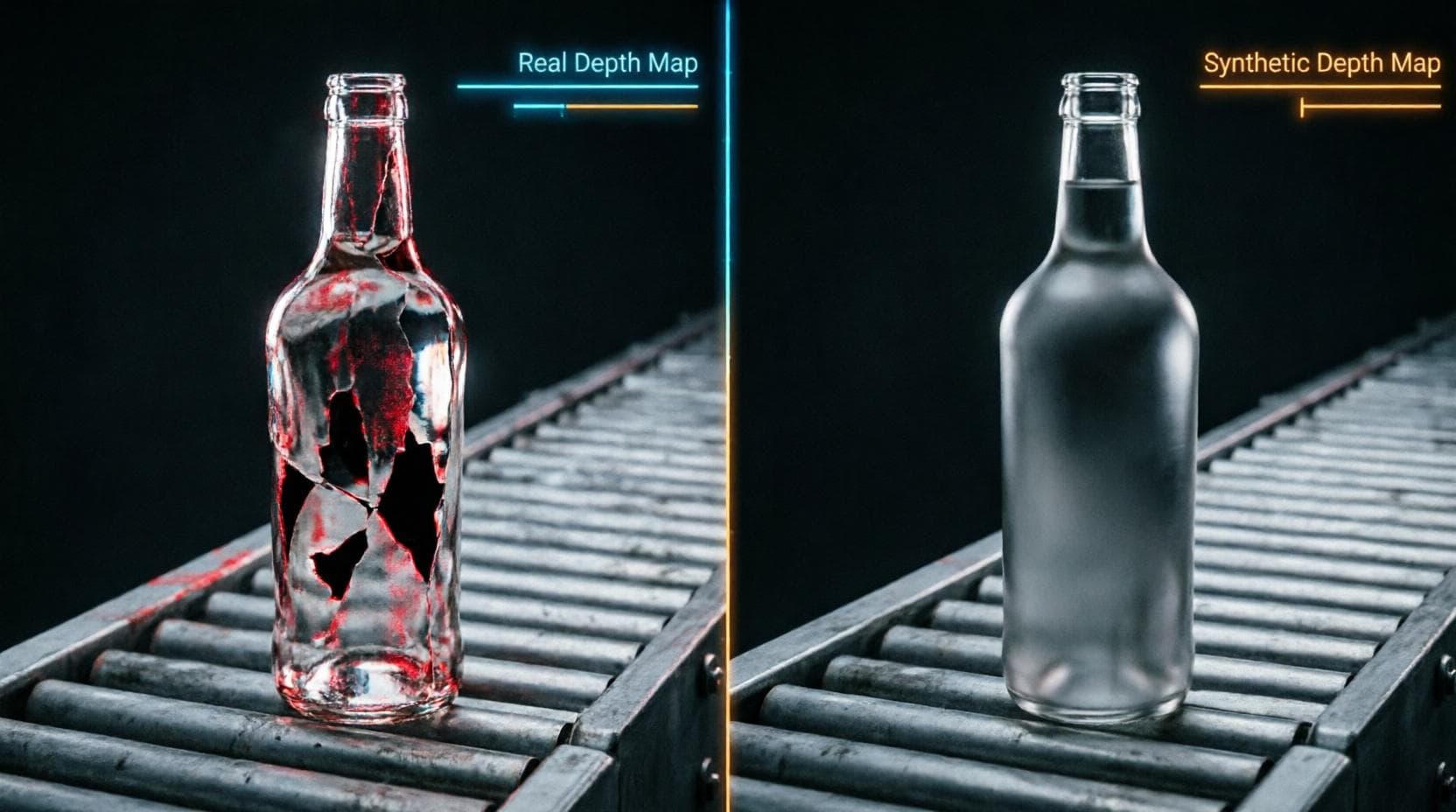
Standard RGB-D cameras fail completely on transparent glass and reflective metals. Robots literally cannot see the objects they need to pick.
Vision-Language-Action models output continuous action tensors. When they hallucinate, they command dangerous velocities and trajectories.
Reactive safety systems can't prevent a 3 m/s swing that's already been commanded. We need to catch the mistake at the planning layer.
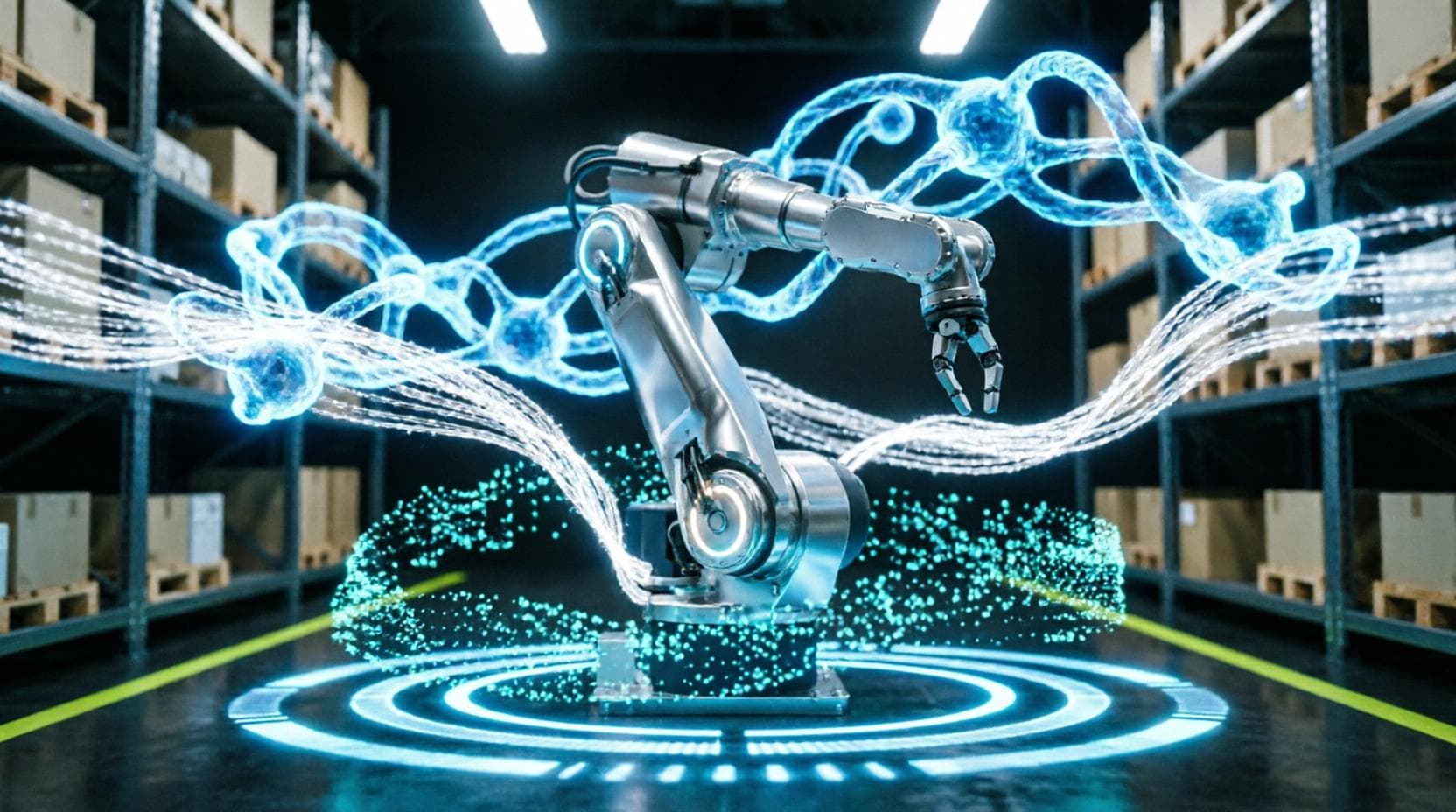
We generate photorealistic, ray-traced RGB-D data specifically for transparent and reflective objects, the exact materials that break standard depth sensors.
A supervisory monitor that sits at the planning layer (50Hz), between the VLA and the ROS 2 controller. It intercepts action tensors, simulates the predicted trajectory through a differentiable kinematic model, and clamps dangerous commands before they hit the servo loop.
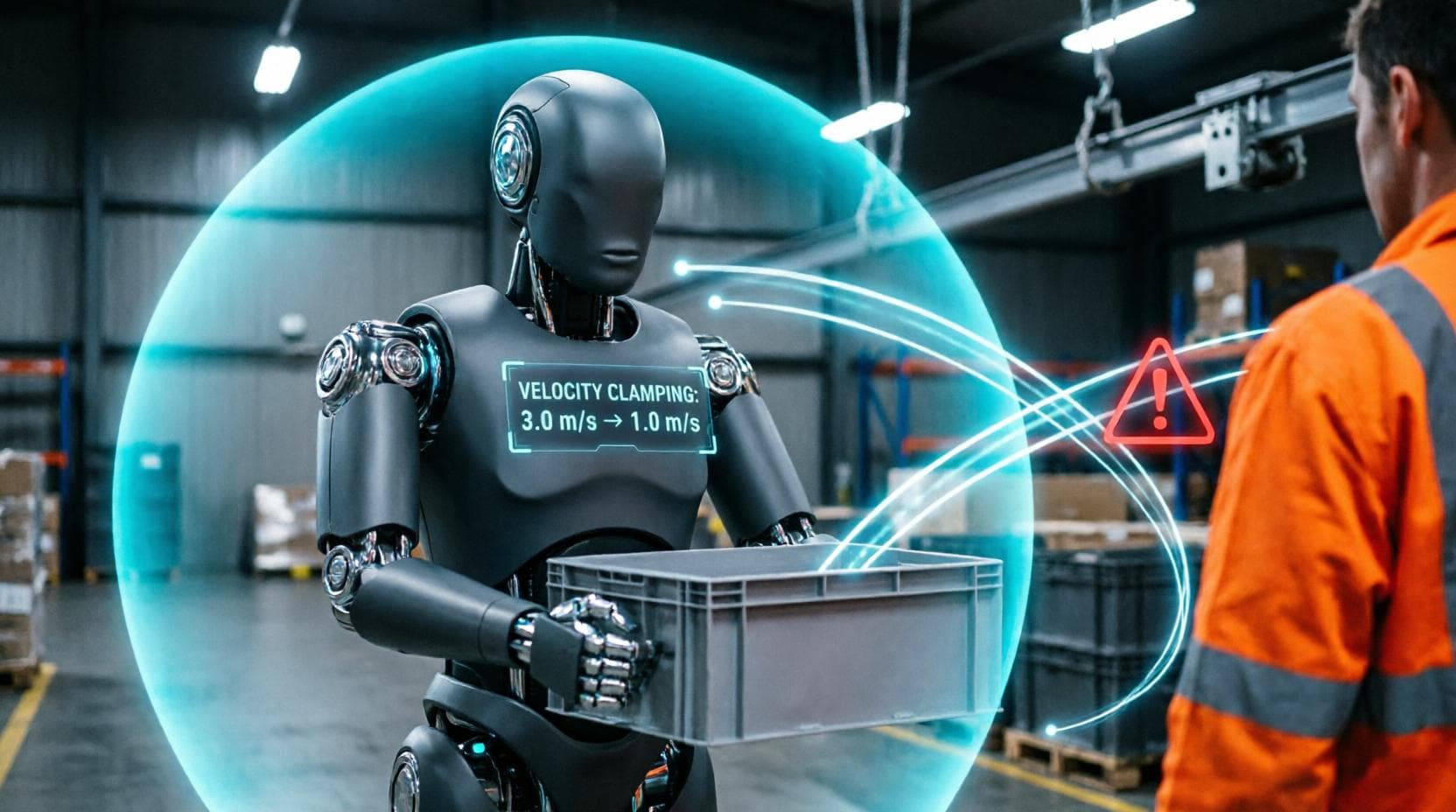
We operate in the software layer — no hardware modifications required. Drop our API between your VLA and your ROS 2 controller.
The Vision-Language-Action model outputs an action tensor (e.g., 14-dim joint deltas)
Our monitor captures the tensor at planning frequency (~50Hz) before it reaches the servo loop
A differentiable kinematic model predicts the trajectory over the next 0.5 seconds
If the trajectory violates safety bounds, we mathematically clamp the tensor deterministically
We took our background in predictive AI, agentic systems, and data pipelines and applied it to the physical world. Before we can trust robots in our warehouses, we have to solve the AI safety and data problems in the software layer. That's what Aradigm builds.
